leecycle · platform↗
Leecycle
Multi-tenant ERP platform↗01
Platform · Access control
Leecycle
Multi-tenant ERP platform
One platform, many businesses — with access rules that hold across all of them.
Explore the story ↗I build platforms that hold their shape — ERP, workflows and the access control between them.
years building production software
platform systems built at work
independent products, built end to end
Around three years building production software. The work started as features and became systems: multi-tenant ERP modules, schema-driven workflow builders, and the access control that decides who may do what, where.
I care about the parts that don't show in a demo — data models that stay correct, rules that can be audited, and architecture that still makes sense a year later.
React, Next.js and TypeScript — screens that make complex rules feel simple.
Node.js services, workflows and access control that hold under real use.
PostgreSQL and MongoDB, modelled so the data stays right as it grows.
Platforms built at work and products built on my own — each one shaped by its rules before its screens.
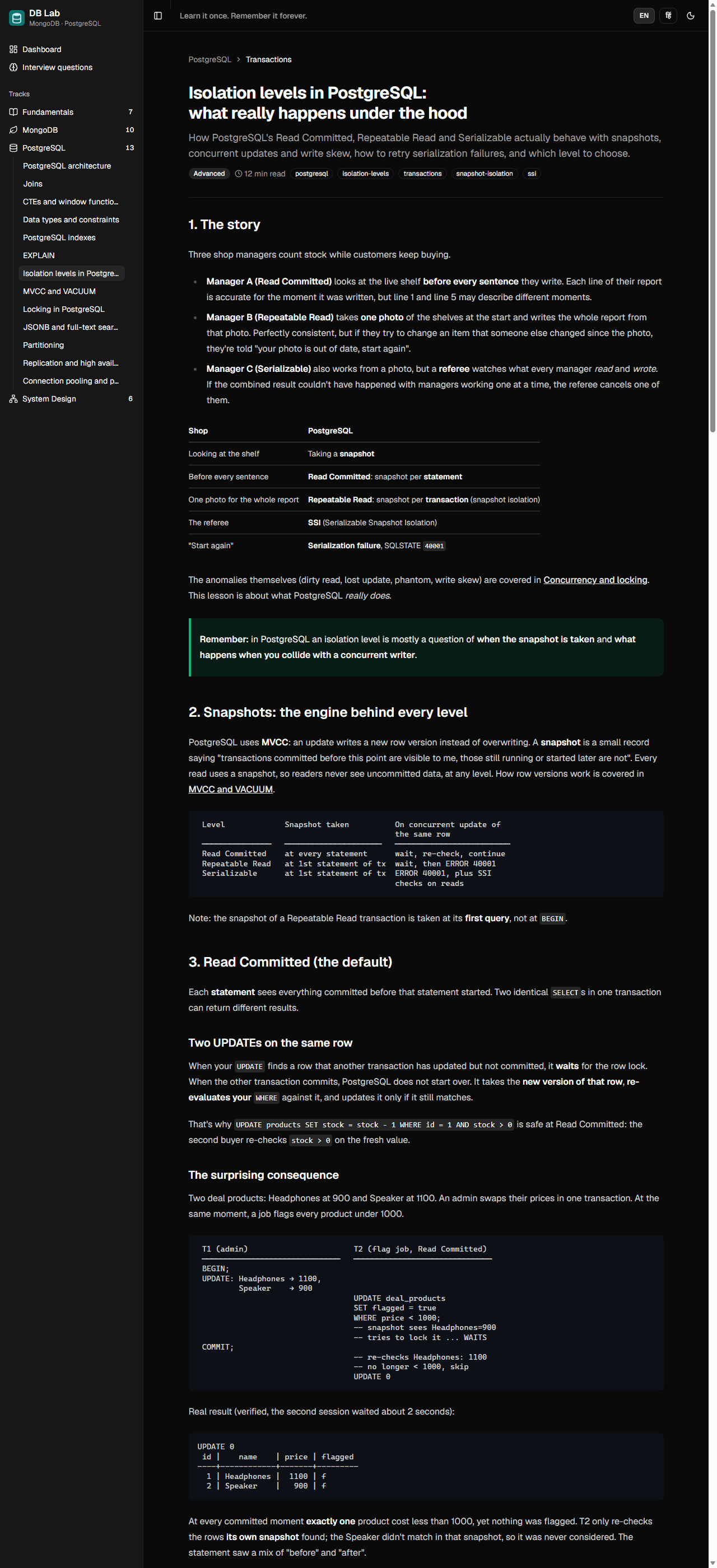 Learning platform · bilingual
Most of the work happens before the first screen: the domain, the data and the rules that must never break.
Who uses it, what can go wrong, and which rules must never break.
Schemas, constraints and access policies first — the parts everything else stands on.
Explicit boundaries, decision records and tests, so it still makes sense a year later.
Interfaces that make complex rules feel simple.
Services, APIs and the rules that guard them.
Data that stays correct as it grows.
Architecture, delivery and the systems between modules.
What separates a demo from something people depend on.
MERN Stack Developer → Full-Stack Engineer · company name
Shipping React and Node features to real users, learning what production asks of code.
From single features to modules: schema-driven services, forms and validation as data.
Tenant registry, ABAC policies, data scopes and audit — the foundations other modules stand on.
Designing systems deliberately, and studying how to build AI that people can depend on.
Knowing how gets it working. Knowing why is what keeps it working.
What breaks first as it grows?
What separates a demo from something people depend on?
What is the model actually learning?
Why does attention work as well as it does?
What is the smallest idea that explains this?
How do you engineer for a place you cannot debug?
Which of these will still matter in five years?
Open channel. Systems, platforms, and the hard parts in between.